
05/05/2026

After the exchange of fire between the United States and Iran, tensions in the Middle East have continued to escalate, triggering global inflation concerns, directly driving a general rise in bond yields, and at the same time strengthening the U.S. dollar, significantly impacting global financial and energy markets.
Affected by the transmission of expectations of rising oil prices, New Zealand’s 10-year government bond yield rose 3 basis points to 4.69%; Australia’s 10-year government bond yield climbed above 5% hours before the Reserve Bank of Australia’s interest rate decision, and economists generally predict that the country’s central bank may raise the cash rate.
The trend of the Asian market was basically in line with that of the U.S. trading session. The U.S. Treasury yield curve fell across the board, with the 30-year Treasury yield rising to 5%, a new high since July. Traders generally bet that driven by the sharp rise in oil prices, the Federal Reserve may be forced to adjust its policy direction and raise interest rates to curb inflation. It is worth noting that due to the holiday in Japan, spot trading of U.S. Treasury bonds was suspended during the Asian trading session.
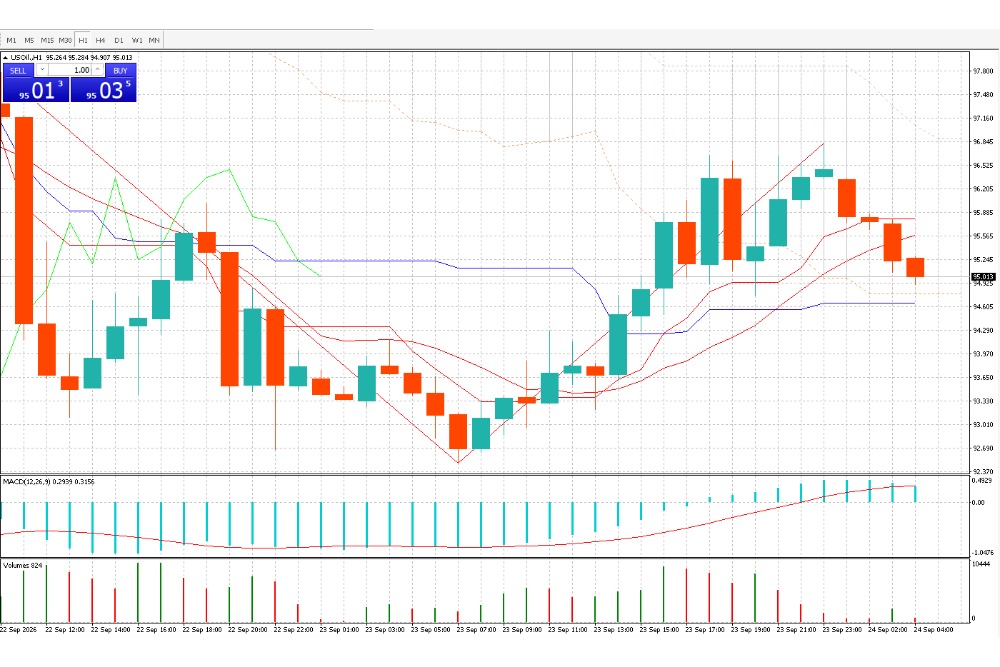
In the energy market, the price of Brent crude oil, the global benchmark, basically maintained the upward trend of the previous trading day, with only a slight pullback, trading slightly below $114 per barrel. The escalating tensions around the Strait of Hormuz have heightened market concerns about high energy prices and further deterioration of global inflation. Data show that Brent crude oil prices have risen by nearly 90% so far this year.
In the stock market, after a month-long rally, global stock markets have erased the losses caused by the war and climbed to an all-time high driven by the strong earnings of large technology companies. However, the renewed escalation of tensions in the Middle East may inject new volatility into global stock markets. At present, investors are still closely watching the dynamics of the Strait of Hormuz—a key waterway that has been blocked for months, which not only keeps energy prices high, but may also further exacerbate inflation and slow down global economic growth.
In other market sectors, the U.S. dollar strengthened against most Group of Ten (G10) currencies; gold prices rose slightly by 0.3% to around $4,535 per ounce; and Bitcoin
[Disclaimer] Forex trading involves risk; please invest with caution. This content is for informational purposes and objective analysis only, and does not constitute any investment advice, basis for buying/selling, or guarantee of returns. Investors should make independent decisions based on their own financial situation and risk tolerance, and bear their own investment risks.
Related Posts

23/09/2026
23/09/2026