
Tech stocks drove a Wall Street rally ahead of data releases
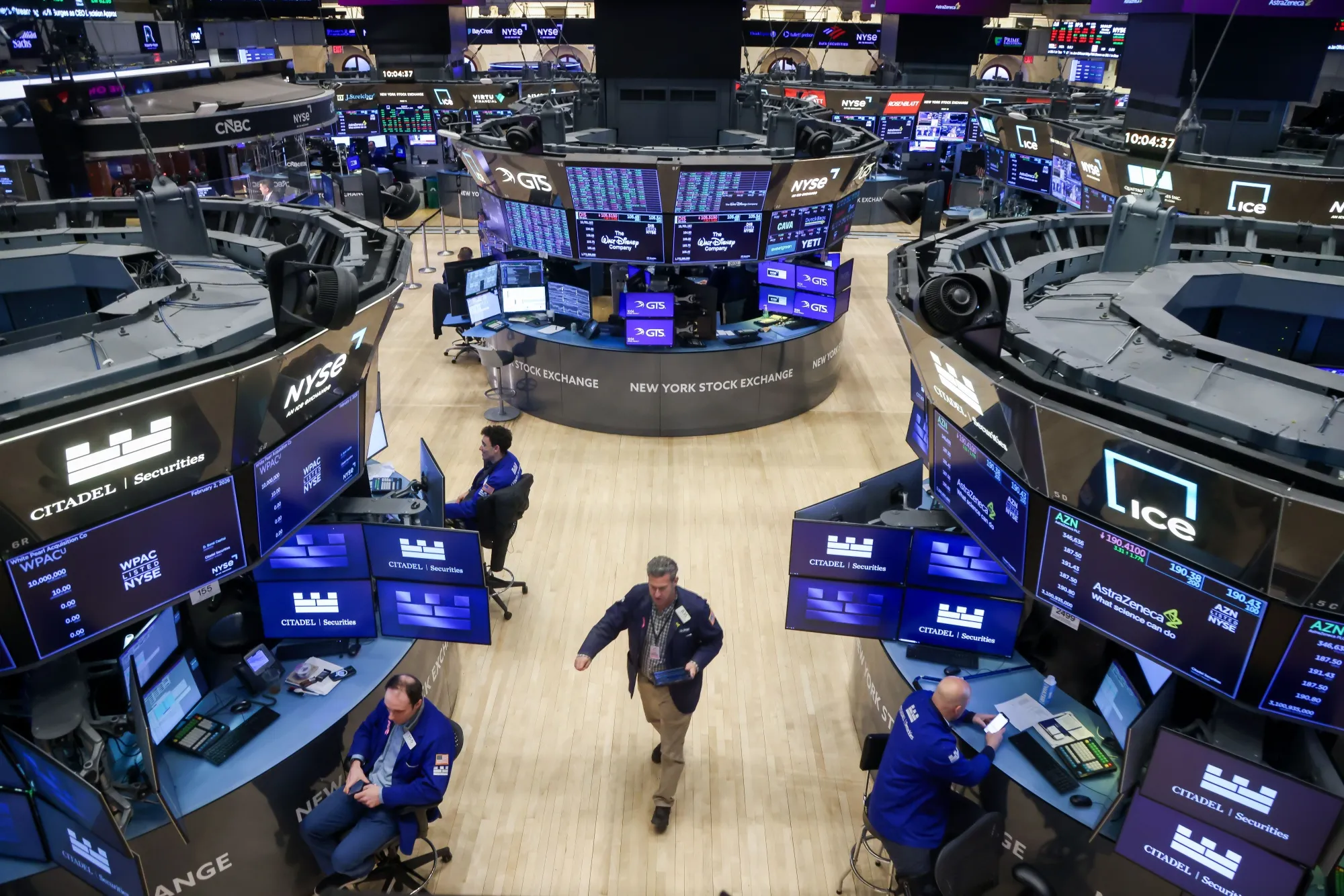
Tech stocks rallied again after a stock market crash triggered by artificial intelligence, following economic data releases that will help influence the Federal Reserve’s policy outlook. Bitcoin fell below $70,000. Gold prices broke through $5,000.
The S&P 500 continued its slight gains on Monday after its market capitalization surged by $1 trillion. Tech companies, which had been the focus of the recent market sell-off, continued to lead the gains. The chipmakers index rose 1.3%, while closely watched exchange-traded funds (ETFs) focused on software companies rose for the second consecutive day, gaining more than 5%.
The January jobs report, due Wednesday, is expected to show 69,000 new jobs added. The unemployment rate is expected to remain stable at 4.4%. The data will also include historical revisions, and is expected to show a significant downward revision to nonfarm payrolls for the year ending March 2025.
“A mediocre jobs report may not have a significant impact, but traders expecting a stock market rally on weak data must consider that a volatile market can simply interpret good news as good news and bad news as bad news,” said Chris Larkin of Morgan Stanley’s E*Trade.
Economists will be looking for more evidence in Friday’s Consumer Price Index to determine whether inflation is trending downwards. Meanwhile, data released on Tuesday is expected to show retail sales continued strong growth for the second consecutive month.
The U.S. bond market initially fell after news that Chinese regulators urged banks to reduce their investments in U.S. Treasuries in the face of market risks, but the market reaction was relatively muted afterward.
The S&P 500 rose 0.3%. The yield on the 10-year U.S. Treasury note rose 1 basis point to 4.22%. The dollar fell 0.6%. Alphabet plans to raise approximately $15 billion through a high-grade U.S. dollar bond issuance.
Oil prices rose slightly after the U.S. advised ships to avoid the Strait of Hormuz, following a decline in risk premiums due to nuclear negotiations. Following Prime Minister Sanae Takaichi’s historic election victory, Japanese stocks surged to record highs.
Jason Pride and Michael Reynolds of Glenmede believe this week’s jobs data and CPI report could be crucial for the Federal Reserve, as it needs to balance slowing job growth and persistent inflation risks. They added that a significant, unexpected rise in goods or services inflation could shorten the window for rate cuts in 2026.
Arthur Hogan of B. Riley Wealth stated, “It’s rare to have two of the most important economic data released this week simultaneously due to the brief government shutdown earlier this month. This means the Fed’s dual mandate—economic and monetary policy—will both see new data to reflect its stance.”
According to Tom Esseye of Report Seven, for each report, a “Goldilocks” result signifying robust growth and stable price pressures is the best-case scenario for the market and helps support the stock market.
“Economic data has been in near-perfect balance since the government reopened in late November, and this needs to continue to help the stock market weather growing skepticism about artificial intelligence,” Essaye noted.
National Economic Council Director Kevin Hassett said that U.S. employment is expected to decline in the coming months as population growth slows.
“I think a slight decline in employment is normal given the current high GDP growth,” Hassett said on CNBC Monday. “If you see a series of numbers below previous levels, don’t panic, because population growth is slowing while productivity growth is booming.”
U.S. job growth may accelerate at the beginning of the year. The Consumer Price Index (CPI) will be released later this week following a delayed wage report.
before: Hedge funds bet on a weaker pound as the Starmer crisis intensifies