Soaring oil prices unsettled traders, sending both stocks and bonds down
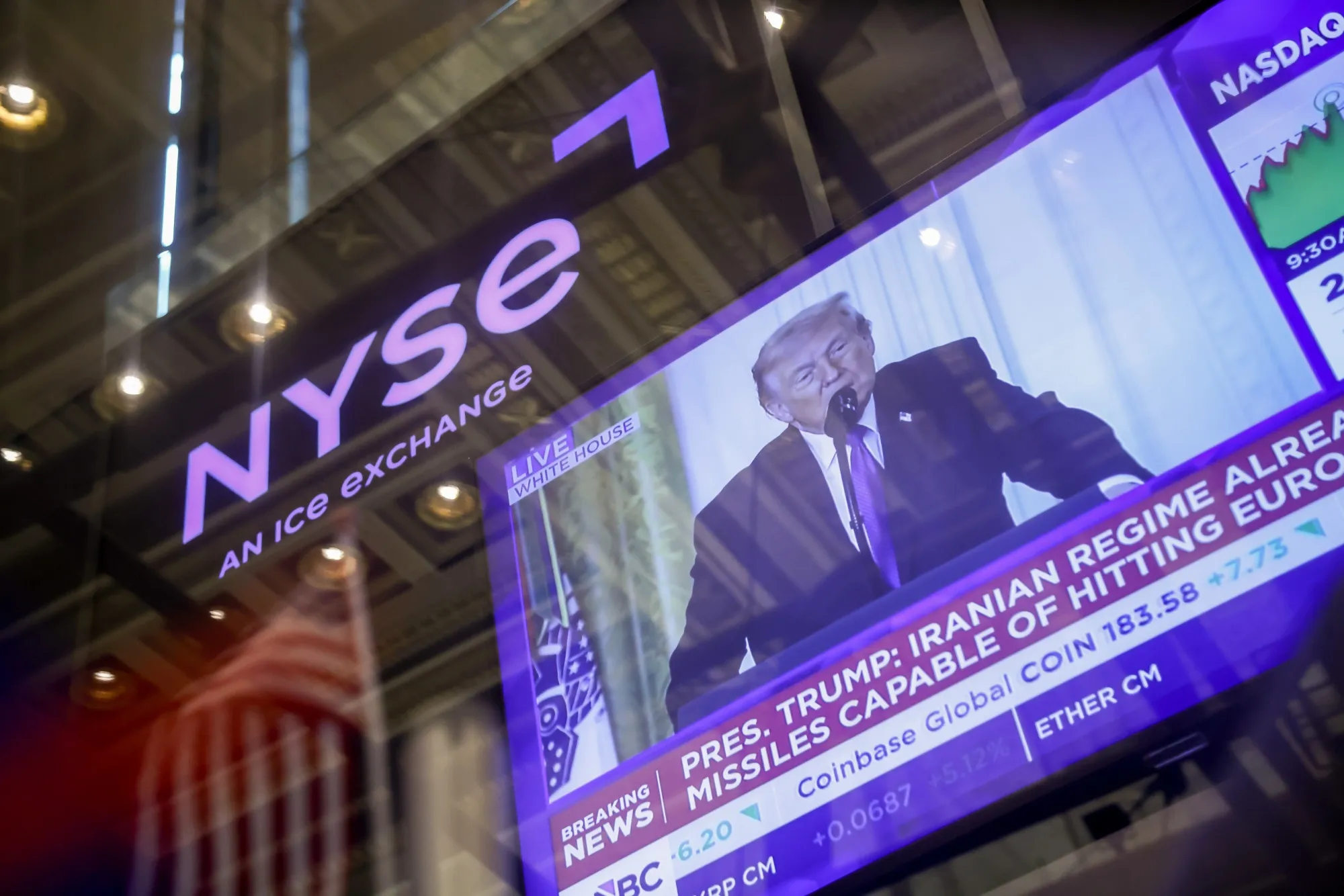
Stocks fell and bonds declined further as the Iran-Iraq war entered its fourth day with no signs of abating, amid fears of a prolonged disruption to energy markets and soaring inflation.
S&P 500 futures fell 1.6%. Benchmark stock indices in Europe and Asia were on track for their biggest one-day drop since April. Brent crude rose 7%, briefly breaking $85 a barrel, reaching its highest level since July 2024. European gas prices added another 28% to Monday’s gains as Qatar’s largest liquefied natural gas export plant remained closed.
Gold prices fell 2.9% after four consecutive days of gains. The US dollar remained the safe-haven asset, rising 0.7%. Concerns that energy prices might remain high pushed global yields higher for the second consecutive day.
The 10-year US Treasury yield rose 6 basis points to 4.10% as market expectations for a second Federal Reserve rate cut in 2026 diminished. Eurozone inflation unexpectedly accelerated, further fueling market expectations of a potential European Central Bank rate hike this year. The yield on two-year UK government bonds surged 16 basis points.
As the US-Israel war against Iran spills over into the Middle East, President Donald Trump insists there is no fixed timetable, while Secretary of State Marco Rubio says “the worst is yet to come.” The US embassy in Riyadh was attacked by drones, while Israel deployed troops to southern Lebanon, a stronghold of Hezbollah, an Iranian-backed militant group.
Traders are focused on the situation in the Strait of Hormuz, a narrow waterway near the Iranian coast that carries about one-fifth of the world’s oil supply.
Attention also turned to the region’s vast energy infrastructure, with a fire at a major energy storage facility in the UAE highlighting risks to energy supplies.
One of the most volatile stock markets of the day was in South Korea, where shares plunged 7.2% after the market reopened following a holiday. Shares of Samsung Electronics and SK Hynix both fell by more than 10%.
Shares of Nvidia fell 2.8% in pre-market trading in the US as officials considered limiting the number of AI accelerators the company could export to any single Chinese customer.
In Europe, bank and insurance company shares have fallen into negative territory this year as rising bond yields pressured valuations. Shares of Deutsche Bank and BNP Paribas both fell more than 5%.
“Geopolitics is hard to trade,” wrote Mohit Kumar, chief European strategist at Jefferies. “We are currently happy to hold more cash, wait for the situation to become clearer, and then buy on dips during market volatility.”
before: Asian stocks may open lower due to falling government bonds
next: Asian stocks suffered their biggest drop in nearly a year