Oil prices fell as expectations for the operation of the Hormuz tanker improved, and stock market losses narrowed.
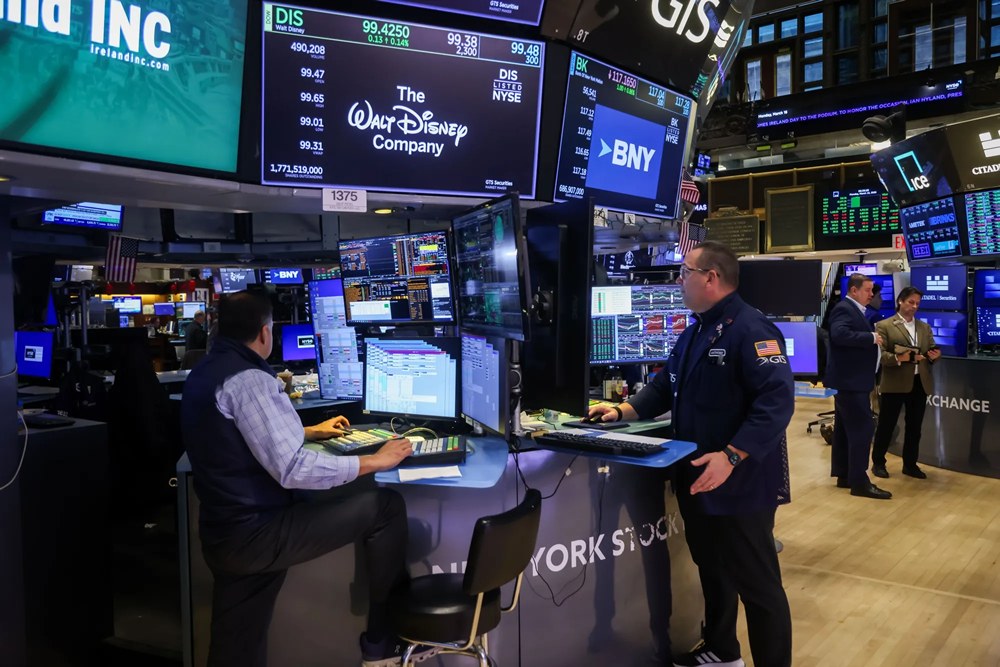
Volatility across asset classes eased as the early surge in oil prices subsided. Stocks and bonds rebounded from intraday lows after Israel indicated it would help the U.S. secure the crucial Strait of Hormuz.
The S&P 500 recovered most of its 1% loss. U.S. crude fell to $95 a barrel after the settlement agreement was reached. The U.S. approved some deliveries and sales of Russian crude. FedEx released an optimistic outlook close to the trading day.
U.S. Treasury prices rebounded from their intraday lows after markets worried that major central banks would be forced to tighten monetary policy to curb inflationary pressures. Meanwhile, UK short-term gilt yields rose sharply after the Bank of England said it was “ready to act” to combat inflation.
Traders are scrutinizing every geopolitical headline for signs of how long the Iran war will last and whether tensions will escalate further.
The three-week-long conflict has thoroughly disrupted the entire energy supply chain. With the Strait of Hormuz nearly completely closed, gasoline and jet fuel prices soared, clashes erupted in India over liquefied petroleum gas shortages, and farmers worried about diesel and fertilizer supplies.
U.S. Treasury Secretary Scott Bessant indicated that the U.S. is seeking to lift long-standing sanctions on Iranian oil in an effort to reduce energy price spikes caused by the war. A Trump administration official stated on Thursday that the White House has no intention of banning oil and gas exports.
Wall Street is bracing for a large number of options expiring on Friday, which could exacerbate market volatility. Citigroup estimates that the total value of notional options linked to U.S. stocks, indices, and exchange-traded funds (ETFs) during the quarterly “Triple Witching” events is approximately $5.7 trillion.
Even after President Trump called for restraint, Iran continued its attacks on energy assets. JPMorgan Chase’s Dubravko Lakos-Bukhas stated that investors complacent that the war will be resolved quickly are engaging in high-risk gambling, as soaring oil prices typically have a severe impact on the stock market.
“While a less disruptive outcome remains possible in the Strait of Hormuz, recent events have narrowed that possibility and increased the risk of continued volatility,” said UBS Global Wealth Management’s Ulrik Hoffmann-Burchardy.
Although the S&P 500 rebounded slightly before the close, it failed to close above the key 200-day moving average.
[Disclaimer] Forex trading involves risk; invest with caution. This content is for informational purposes and objective analysis only and does not constitute any investment advice, buy/sell recommendation, or profit guarantee. Investors should make independent decisions based on their own financial situation and risk tolerance, and bear their own investment risks.
next: FXCG – Oil(USOil)1-Hour Forex Trading Analysis(20/03/2026)