Asian stocks suffered their biggest drop in nearly a year
Asian stocks experienced their biggest plunge in nearly a year, with South Korean stocks posting their biggest drop since the 2008 global financial crisis, as growing concerns about a war with Iran triggered capital outflows from some of the world’s best-performing markets.
The MSCI Asia Pacific Index plunged 4.5%, while South Korean stocks fell as much as 12%, as panic spread among traders. Before the crash, the Korea Composite Stock Price Index (KOSPI), a benchmark for artificial intelligence investments, was the world’s best-performing index. Japanese stocks fell 3.7%, Hong Kong stocks fell 2.6%, and Indian stocks fell 2%. Dubai stocks fell 4.7% after trading resumed.
Asian stocks fell sharply, while U.S. and European stock index futures showed only slight declines.
The sharp fluctuations in Asian stocks contrasted sharply with other markets after President Donald Trump assured the public of the Strait of Hormuz, helping to ease market tensions.
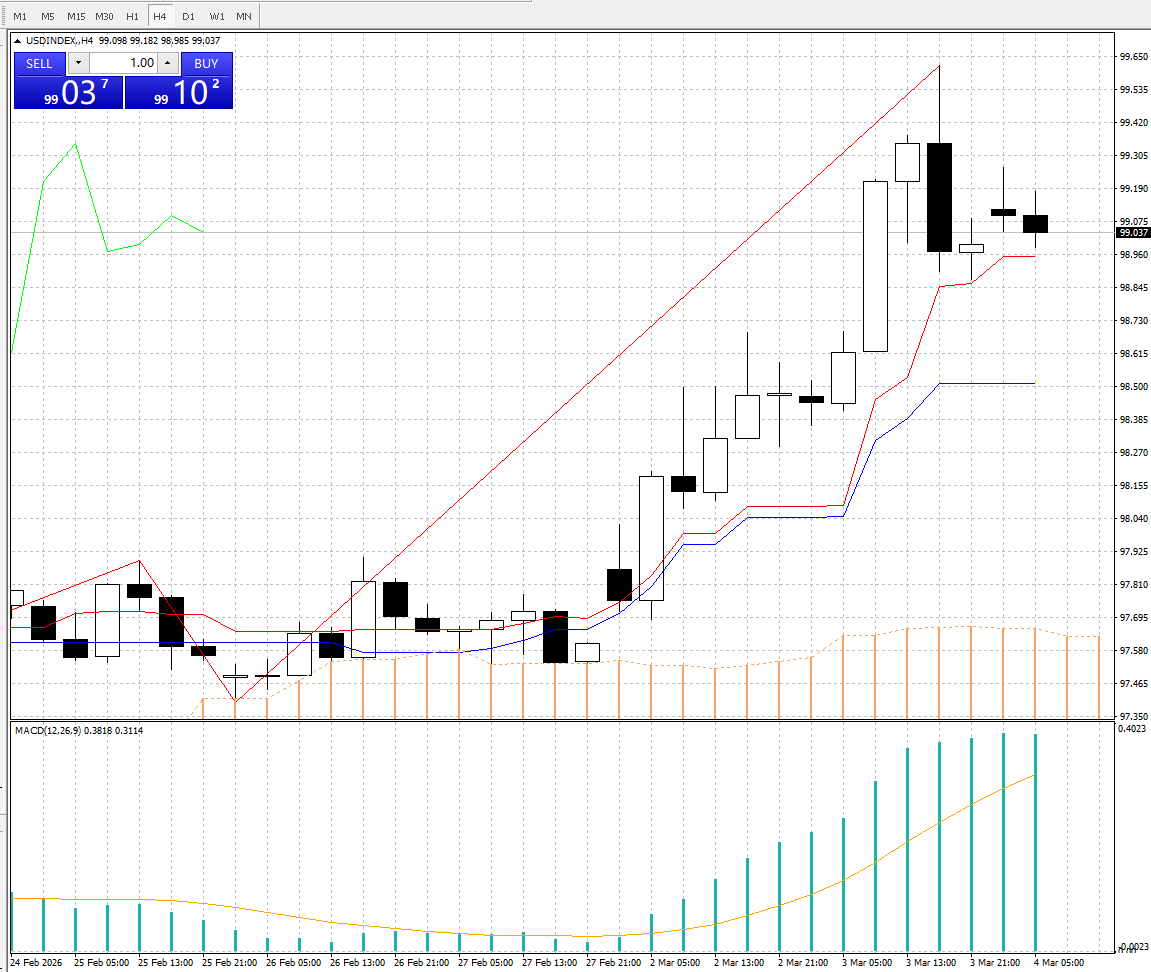
Brent crude oil rose 2.1%, a slight decrease from the gains of 4.7% and 7.3% in the previous two days; gold rose 1.4%. The Bloomberg Dollar Spot Index rose 0.2%. U.S. Treasuries weakened slightly, with the benchmark 10-year Treasury yield rising 1 basis point to 4.07%, after a sharp decline in the bond market earlier this week.
Market focus shifted to the oil market as Trump planned to provide insurance and escort for tankers transiting the Strait of Hormuz. Traffic in this vital waterway is currently almost completely halted. Oil prices extended their gains, with Brent crude hovering above $82 a barrel after rising about 12% in two days, marking its biggest one-day gain since 2020.
Rising oil prices and a stronger dollar are not ideal for Asian economies. The dollar’s two-day gain was its biggest in nearly a year. This week, Asian currency indices fell to their lowest point since January, but the decline was limited as China attempted to stabilize the yuan.
Even with this week’s declines, Asian stocks are still up about 5% this year and are projected to rise another 25% by 2025. Since the plunge in April following Trump’s announcement of additional tariffs, the stock market has rebounded as markets bet that the billions of dollars that companies have invested in artificial intelligence will pay off.
before: Soaring oil prices unsettled traders, sending both stocks and bonds down
next: South Korean stocks led a rebound in Asian markets, while oil prices rose.