
02/10/2026

Global markets showed clear divergence, with Asian bonds staging a broad rally and U.S. Treasury yields paring gains after hitting multi-decade highs. Traders have largely shrugged off inflation concerns driven by rising oil prices, while regional equities edged lower. Overall market movements are now dominated by shifts in Federal Reserve policy signals and escalating Middle East geopolitical risks.
Bond markets across Asia advanced, supported by a rebound in U.S. Treasuries following a sharp global bond selloff on Thursday. Government bonds in Japan, New Zealand and Australia all moved higher. Heightened risks in European markets also boosted demand for safe-haven fixed-income assets, lifting regional bond sentiment. The benchmark 10-year U.S. Treasury yield steadied at 5.25% on Friday, pulling back from a 24-year peak set in the previous session and easing short-term pressure on global bonds. Long-dated UK gilt yields briefly topped 6% amid persistent volatility. European bonds displayed stark divergence: French bond futures tumbled toward historic lows on spreading fiscal risk concerns, while German bunds rose for a fourth consecutive session on safe-haven inflows. Elevated euro zone risk premiums stemming from political and fiscal uncertainty in France further accelerated the U.S. bond rebound on Thursday.
Divided remarks from Federal Reserve officials underpinned the bond recovery and tempered market tightening expectations ahead of Friday’s key U.S. nonfarm payrolls release. Several Fed policymakers struck a dovish tone. Fed Vice Chair Philip Jefferson noted that policymakers should take time to assess economic conditions before deciding whether additional rate hikes are necessary to curb inflation, arguing against hasty monetary tightening. His comments echoed earlier remarks from New York Fed President John Williams, who stated that there is no urgency for further hikes after the FOMC’s September rate increase. Nevertheless, hawkish views remain within the central bank. Dallas Fed President Lorie Logan emphasized that additional policy tightening is still required to fully contain inflation and secure sustained price cooling.
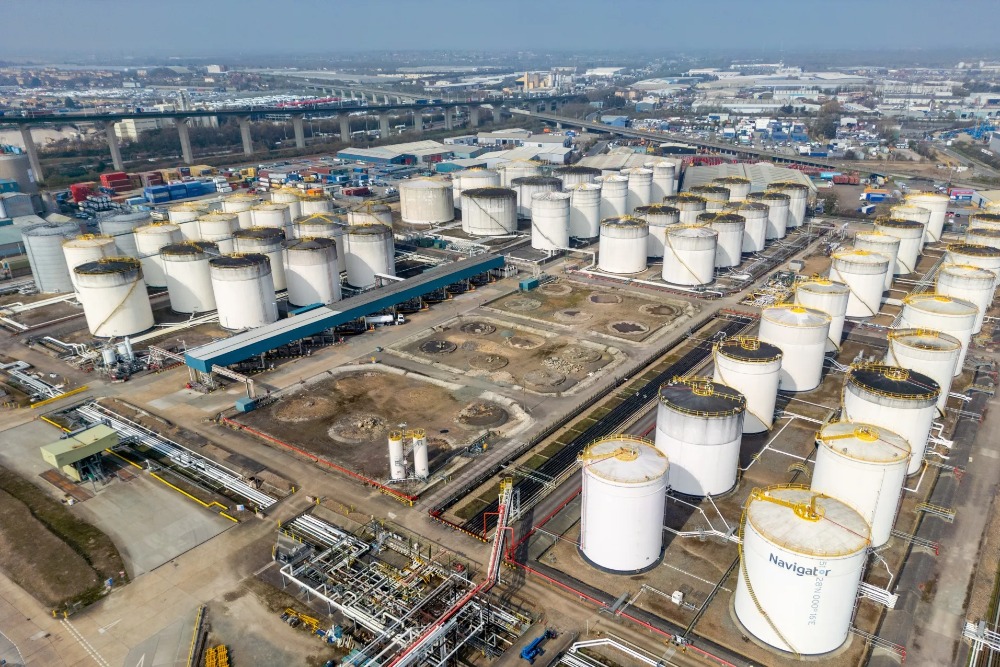
Commodity markets were driven higher by escalating Middle East tensions and growing risks of U.S.-Iran confrontation. According to Wall Street Journal reports, the U.S. is set to deploy additional military assets to the Middle East, with the Pentagon planning to send another aircraft carrier and approximately 10,000 naval and marine troops to the Persian Gulf to prepare for potential military escalation. The intensifying geopolitical risks lifted crude oil prices. Brent crude extended its strong rebound, rising a further 0.4% to $102.74 per barrel, on top of a 4% surge recorded on Thursday.
Markets are currently caught in a complex cross-current of competing forces. Rising oil prices fueled by Middle East tensions pose renewed inflation threats, yet dovish Fed signals have softened rate-hike expectations and offset inflation-driven headwinds. Going forward, crude price movements and U.S.-Iran geopolitical developments will be key determinants of whether the U.S. bond rebound can be sustained, as well as the extent of pressure on global equity markets.
Equity and currency markets also showed structural divergence. The MSCI Asia Pacific Index fell 0.3%, with Japanese and South Korean equities sliding amid subdued regional risk sentiment. Still, technology stocks remained resilient, with Nasdaq 100 futures climbing 0.3% on sustained confidence in the AI sector. In currency markets, the yen traded largely flat at around 158 against the U.S. dollar. Upbeat Tokyo inflation data reinforced expectations that the Bank of Japan will continue raising its benchmark interest rate.
[Disclaimer] Forex trading involves risk; please invest with caution. This content is for informational purposes and objective analysis only, and does not constitute any investment advice, basis for buying/selling, or guarantee of returns. Investors should make independent decisions based on their own financial situation and risk tolerance, and bear their own investment risks.
Related Posts