
28/09/2026

Rejection by US President Donald Trump of Iran’s latest proposal to reopen the Strait of Hormuz has escalated tensions in the Middle East, triggering renewed volatility across global financial markets. Bond prices fell again after a brief rebound, oil climbed higher and Asian equities traded lower.
Short-dated US Treasuries led the decline. The rate-sensitive two-year Treasury yield rose as much as 5 basis points to 4.90%. The benchmark 10-year Treasury yield, which surged 16 basis points last week, fell 4 basis points this week. Government bond prices in Japan and Australia also weakened.
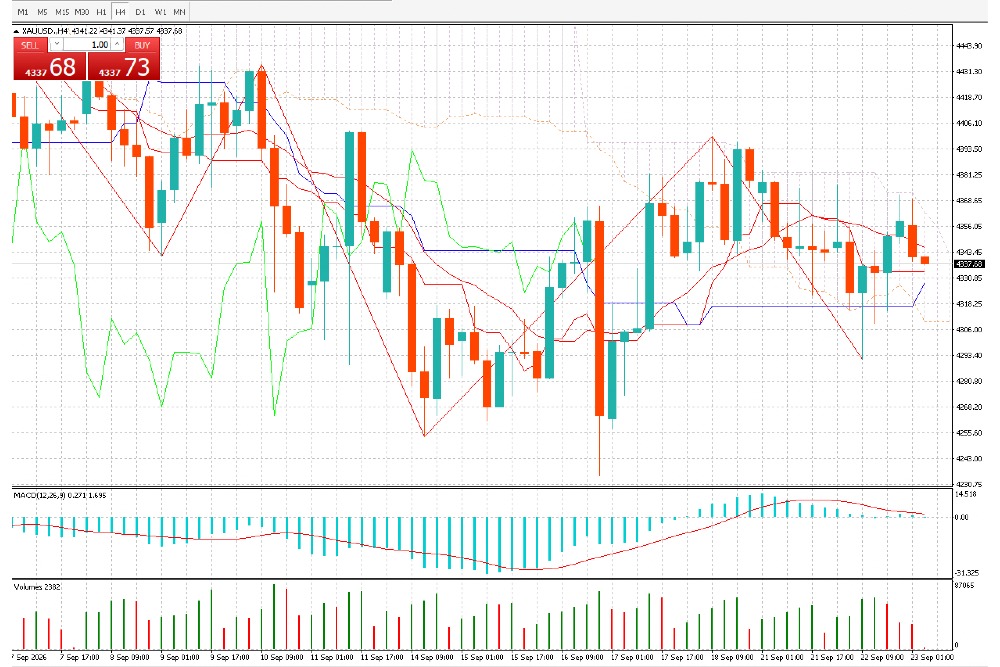
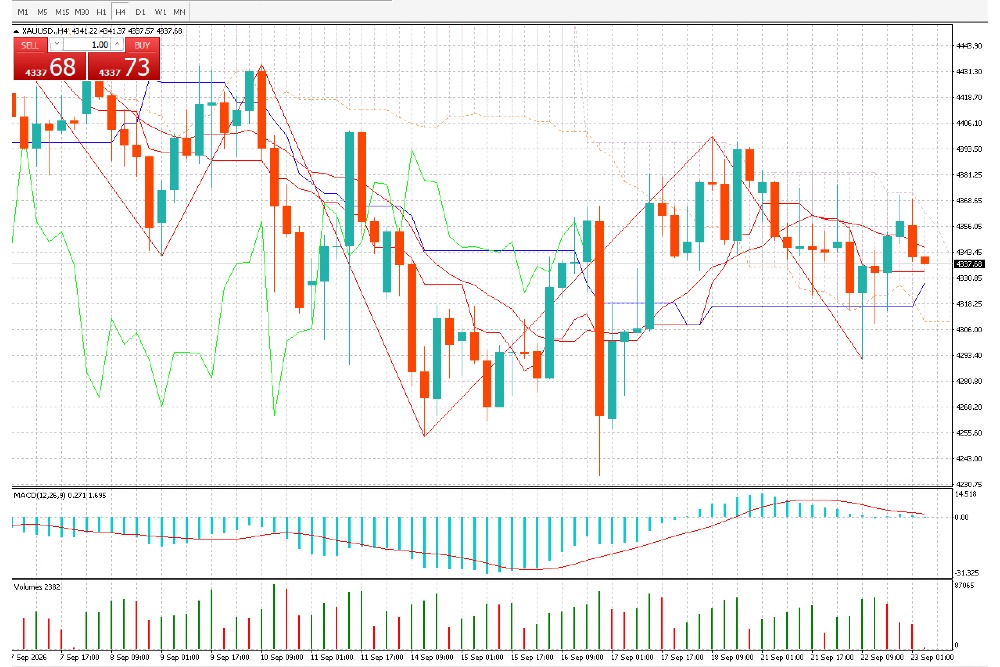
Iran stuck to its earlier seven-day plan to reopen the vital Strait of Hormuz, pushing Brent crude up 1.3% to around $105.70 per barrel. Gold retreated as the standoff kept energy costs elevated and maintained pressure on the Federal Reserve to raise interest rates to curb inflation. Bullion dropped 1.2% to roughly $4,233 per ounce.
The MSCI Asia Equity Index edged lower. South Korea’s KOSPI fell 1.4% when trading resumed after a holiday, while Japanese stocks advanced. S&P 500 futures slipped 0.2% following a brief bounce on Friday.
The US dollar strengthened against most major currencies. GBP/USD weakened after UK police arrested five men near an airbase previously used for US airstrikes on Iran and launched an investigation into a potential terrorist plot. Trump stated the suspects “were attempting to cause substantial damage to the facility.”
Oil remains the primary driver for markets. Elevated energy costs fan inflation pressures and reinforce expectations of further interest rate increases. Last week, the average global bond yield broke above 4% for the first time since 2007, sparking concerns that higher borrowing costs will eventually weigh on economic activity and corporate earnings.
Multiple Federal Reserve officials noted strong economic growth and a resilient labour market, arguments in favour of additional monetary tightening. Cleveland Fed President Beth Hammack said those factors, paired with worries over government debt, are lifting long-term Treasury yields.
US Treasury Secretary Scott Bessent struck a more dovish tone. He said policymakers should keep an open mind on interest rates, as productivity gains from artificial intelligence and deregulation could help contain inflation.
Market volatility is likely to persist this week. The Fed’s preferred inflation gauge and US jobs report will shape bets on at least one more rate increase this year, after the Fed delivered its first hike since 2023 earlier this month.
Nick Twidale, Chief Market Analyst at AT Global Markets, wrote in a client note: “Geopolitical developments over the weekend are likely to keep global market volatility elevated.”
Iran has insisted it will not soften its terms for the seven-day reopening of the strategically critical Strait of Hormuz. According to Axios, Trump said he rejected Tehran’s latest offer but expects negotiations to resume this week. He also added he is considering a ban on diesel exports “very seriously.”
[Disclaimer] Forex trading involves risk; please invest with caution. This content is for informational purposes and objective analysis only, and does not constitute any investment advice, basis for buying/selling, or guarantee of returns. Investors should make independent decisions based on their own financial situation and risk tolerance, and bear their own investment risks.
Related Posts

23/09/2026