03/08/2026

Ahead of a new round of US-Iran talks, easing geopolitical tensions have triggered significant fluctuations across global commodity, equity, bond and foreign exchange markets. Optimism over a potential détente has pushed international crude oil prices lower and bolstered the Japanese yen. Meanwhile, Asian equities retreated weighed down by semiconductor stocks, while US Treasury bonds and gold posted gains.
1. Easing US-Iran Tensions Trigger Sharp Oil Price Declines
US President Donald Trump announced that fresh US-Iran negotiations would kick off on Monday, confirming that he had canceled a large-scale military strike against Iran. The news boosted market optimism that the two sides could reach a deal to reopen the Strait of Hormuz, reversing supply shortage concerns stemming from prolonged geopolitical frictions. Previously, US Middle Eastern allies including Saudi Arabia had urged Washington to pursue diplomatic solutions over military action.
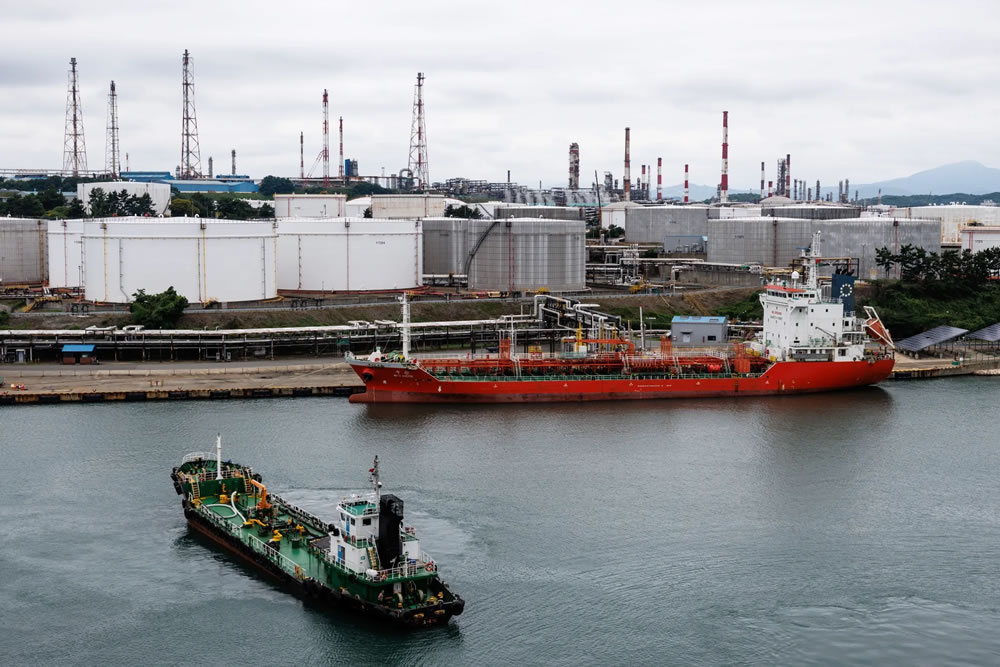
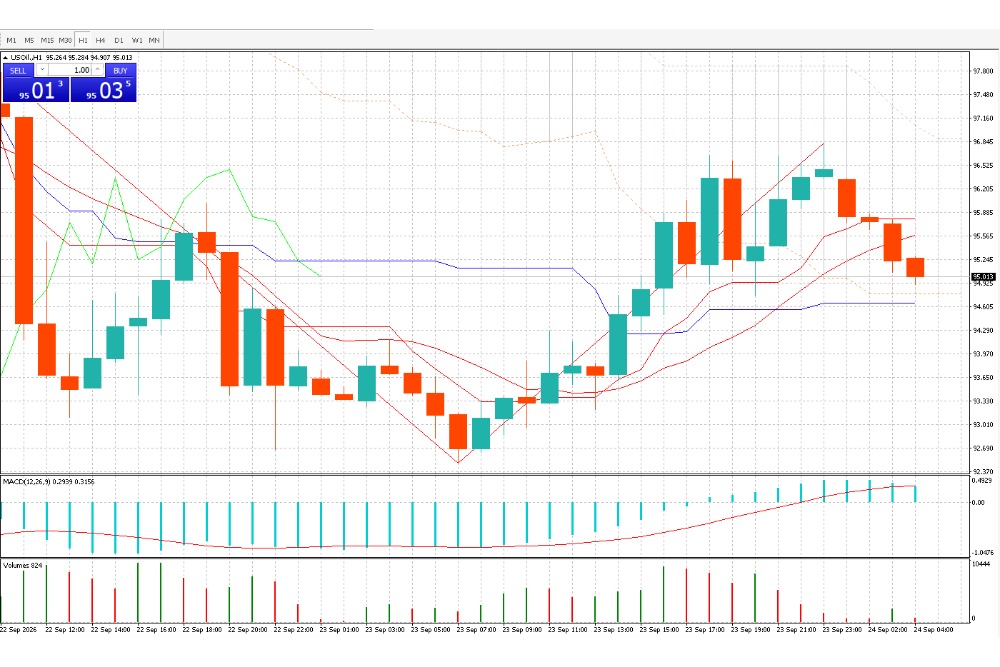
Fueled by the easing tensions, crude oil prices tumbled. Brent crude futures for October delivery plunged 7.3% at one point, falling to $81.55 per barrel. In addition, a modest increase in production quotas by major OPEC+ oil producers further pressured crude prices, jointly driving the downward trend.
2. Eased Inflation Fears Lift US Treasuries and Gold
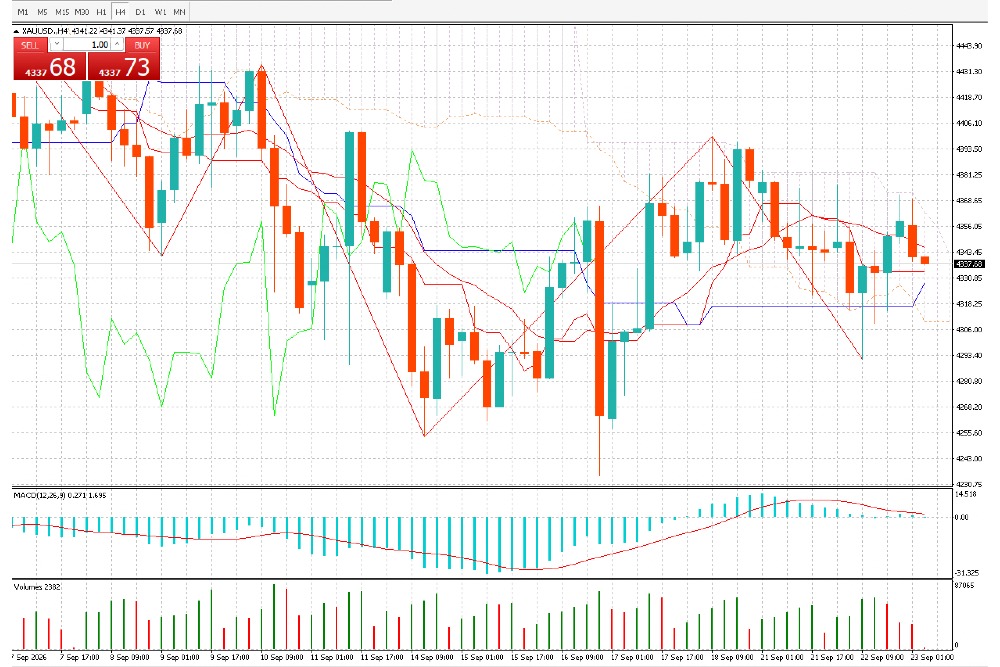
The sharp drop in oil prices alleviated market concerns over a resurgence of global inflation, delivering a boost to the US bond market. The entire US Treasury yield curve moved lower alongside rising bond prices. The benchmark 10-year US Treasury yield fell 4 basis points to 4.70%, down from its highest level since January 2025 touched last week. With inflation expectations cooling, market demand for safe-haven and asset allocation strengthened, pushing gold prices up by as much as 0.9% intraday.
3. Sustained Yen Strength on US-Japan Joint Intervention, US Dollar Weakens
The Japanese yen extended its rally for the fourth consecutive trading day, continuing the upward momentum driven by late-week US-Japan currency intervention. The USD/JPY pair tumbled 1.4% at its trough to 155.23, with traders closely monitoring the market for potential follow-up coordinated intervention measures.
Japan’s Ministry of Finance confirmed that it conducted yen-buying operations in coordination with the US Department of the Treasury on July 31 (US time), stating it would not hesitate to implement further joint intervention to stabilize the currency market. US Treasury Secretary Scott Bessent noted that the US intervention aimed to curb disorderly yen fluctuations and that Washington stood ready to continue supporting Japan. Trump described the coordinated action as a “gesture of friendship”. The Bloomberg Dollar Index declined notably, largely dragged by the stronger yen.
4. Asian Equities Slide Led by Plunging Chip Stocks
Asian stock markets faced broad downward pressure on Monday, led by a sharp slump in major South Korean chipmakers. The regional semiconductor index fell 0.8%. Samsung Electronics and SK Hynix both posted losses of over 8%. Gains among Japanese semiconductor firms including Renesas Electronics and Kioxia failed to offset the sector-wide decline.
Led by the semiconductor slump, major Asian benchmarks closed lower across the board. South Korea’s KOSPI, which hit a record high with an 18% surge last Friday, plunged more than 4% in the session. Japan’s Nikkei 225 dropped over 2%, and the MSCI Asia Pacific Index fell 0.9%. Risk sentiment stabilized slightly amid overnight trading, with Nasdaq 100 futures rising 0.8%.
5. Market Context and Industry Updates
Monday’s sharp market swings reflected a major correction following days of escalating US-Iran tensions. The six-month-long conflict and former US threats of “devastating strikes” against Iran had fueled fears of tight fuel supply and soaring inflation, weighing heavily on investor sentiment. As geopolitical tensions eased and chip stocks rebounded technically after the plunge, market focus shifted back to the artificial intelligence sector.
The AI industry saw notable progress recently. Chinese AI firm DeepSeek launched the public beta API for its flagship V4 Flash model last Friday, with significant upgrades to its agent capabilities, injecting new momentum into the sector.
[Disclaimer] Forex trading involves risk; please invest with caution. This content is for informational purposes and objective analysis only, and does not constitute any investment advice, basis for buying/selling, or guarantee of returns. Investors should make independent decisions based on their own financial situation and risk tolerance, and bear their own investment risks.
Related Posts

23/09/2026
23/09/2026