
30/07/2026

Robust earnings from Microsoft have boosted investor confidence, reassuring markets that massive investments in artificial intelligence are beginning to pay off. The upbeat results propelled U.S. equities higher and offset renewed inflation concerns, which have weighed heavily on long-term bond markets.
S&P 500 futures rose 0.3%, while Nasdaq 100 futures rebounded 0.6% following a technical pullback. Microsoft surged 8.6% in pre-market trading, driven by its cloud division notching its fastest growth in four years amid steady spending, underscoring tangible returns on its AI investments.
In contrast to the stock market’s rally, the Treasury market remained under pressure. The yield on the 30-year U.S. Treasury bond climbed 4 basis points, holding at its highest level since 2007. Traders are navigating a complex market landscape, facing volatility risks after a sharp AI sector rally, wild swings in oil prices, and minimal policy guidance from the Federal Reserve.
Bond investors are increasingly concerned that Federal Reserve Chair Kevin Warsh will fail to curb persistent inflation, which has remained above the central bank’s 2% target for five consecutive years. As major AI-focused tech firms release earnings reports, investors are closely watching for evidence that their hefty AI spending can deliver sustainable returns.
Tech giants posted divergent pre-market performances. While Microsoft rallied strongly, Meta Platforms Inc. tumbled 8.8% on weaker-than-expected revenue guidance. Market participants are awaiting post-market earnings from Amazon and Apple to further assess the health of leading large-cap technology stocks.
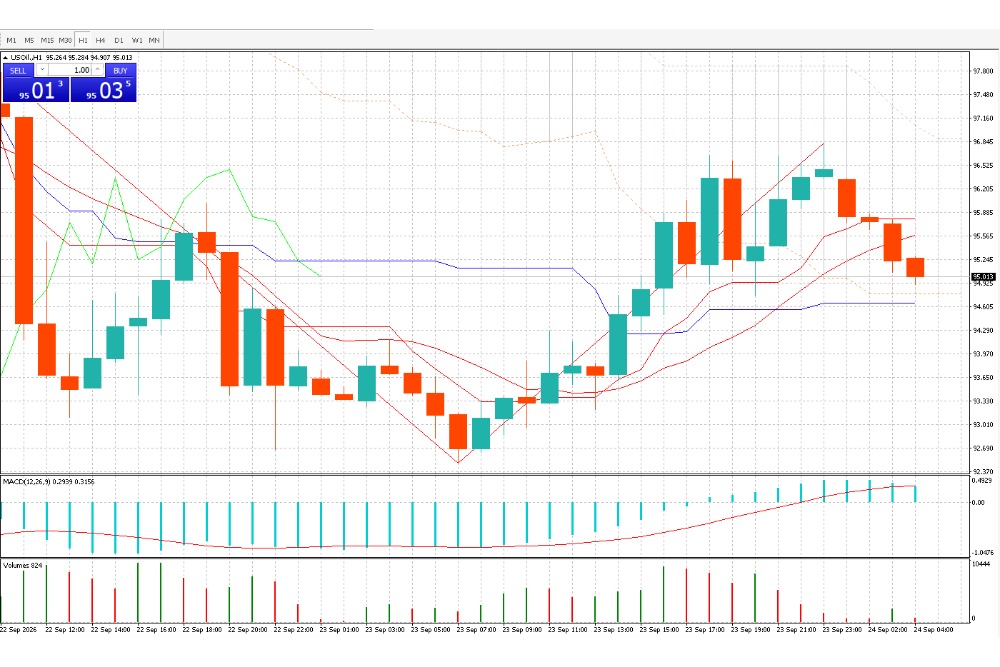
Geopolitical tensions continued to lift commodity prices. Brent crude rose 0.7% to $91.40 per barrel, supported by U.S. retaliatory actions following Iran’s attack on U.S. military forces.
Thursday’s market focus centered on the latest Personal Consumption Expenditures (PCE) index, the Federal Reserve’s preferred inflation gauge. Headline June PCE is expected to turn negative month-on-month, partly reflecting lower energy prices prior to the recent oil surge. However, core PCE is projected to remain well above the Fed’s 2% annual target, signaling persistent inflationary pressures. Fresh data on economic activity and consumer spending will also be released to offer further insights into U.S. economic conditions.
In global monetary policy updates, the Bank of England unveiled its latest policy decision. Markets widely expect the central bank to hold interest rates steady, yet sentiment remains finely balanced regarding potential policy changes in September.
Meanwhile, the battered semiconductor sector staged a recovery, bolstered by Samsung Electronics’ stellar earnings results. The tech giant reported a 250-fold surge in chip profits and warned of worsening memory chip shortages, lifting sector sentiment. The ETF tracking the Philadelphia Semiconductor Index rose 1%, suggesting the index may have bottomed out after a 16% plunge over five consecutive trading days.
Among the Magnificent Seven tech stocks, only Meta and Alphabet traded lower, highlighting prominent divergence and structural differentiation across the large-cap tech sector.
[Disclaimer] Forex trading involves risk; please invest with caution. This content is for informational purposes and objective analysis only, and does not constitute any investment advice, basis for buying/selling, or guarantee of returns. Investors should make independent decisions based on their own financial situation and risk tolerance, and bear their own investment risks.
Related Posts

23/09/2026
23/09/2026