28/07/2026

Mounting market concerns over the returns on tens of billions of dollars in artificial intelligence investments have intensified the sell-off in chipmakers, spreading market jitters across semiconductor stocks from Wall Street to Asia. Meanwhile, falling oil prices have fueled a continued rally in bond prices.
I. Asian Chip Stocks Crash, Regional Indices Tumble Broadly
South Korea’s chip giants bore the brunt of the market slump, with SK Hynix plunging 11% and Samsung Electronics falling 9.5%. The steep declines dragged the KOSPI, a key benchmark for AI investment sentiment, down 8%. The two firms ranked as the top two laggards on the MSCI Asia Pacific Index, which dropped 3% overall.
Japan’s Nikkei 225 Index and Taiwan Weighted Index both fell approximately 4%. The Asian market downturn stemmed from a prolonged sell-off in Wall Street semiconductor stocks, with the U.S. semiconductor index closing lower for a third consecutive trading session on Monday. SK Hynix’s American Depositary Receipts (ADRs) slipped below their IPO price.
Japanese semiconductor players including Tokyo Electron and Disco also tumbled more than 9%. Investors are increasingly worried that the sector has become overstretched after a strong run-up in stock prices since the start of the year, triggering broad valuation concerns across the AI supply chain.
II. U.S. Chip Sector Remains Under Pressure Amid AI Investment Doubts
Chip stocks remained the focal point of U.S. trading activity, with the Philadelphia Semiconductor Index declining 2.2% on Monday.
Amid a global AI investment wave totaling over $750 billion, the cost of credit default swaps for Nvidia has surged, reflecting heightened market caution over the sector’s investment outlook. Separately, Dutch semiconductor equipment firm ASML saw its share price decline on news that a Chinese state-owned enterprise is developing certain chip manufacturing equipment, posing potential challenges to ASML’s global sales.
Growing skepticism over excessive capital spending in artificial intelligence has dominated market sentiment. Alphabet, Google’s parent company, raised its annual capital expenditure forecast to as high as $205 billion, renewing concerns about a lack of fiscal discipline amid cutthroat AI competition and doubts over whether massive industry investments can deliver sustainable returns.
III. Oil Prices Retreat and Bonds Rally on Easing Inflation Fears
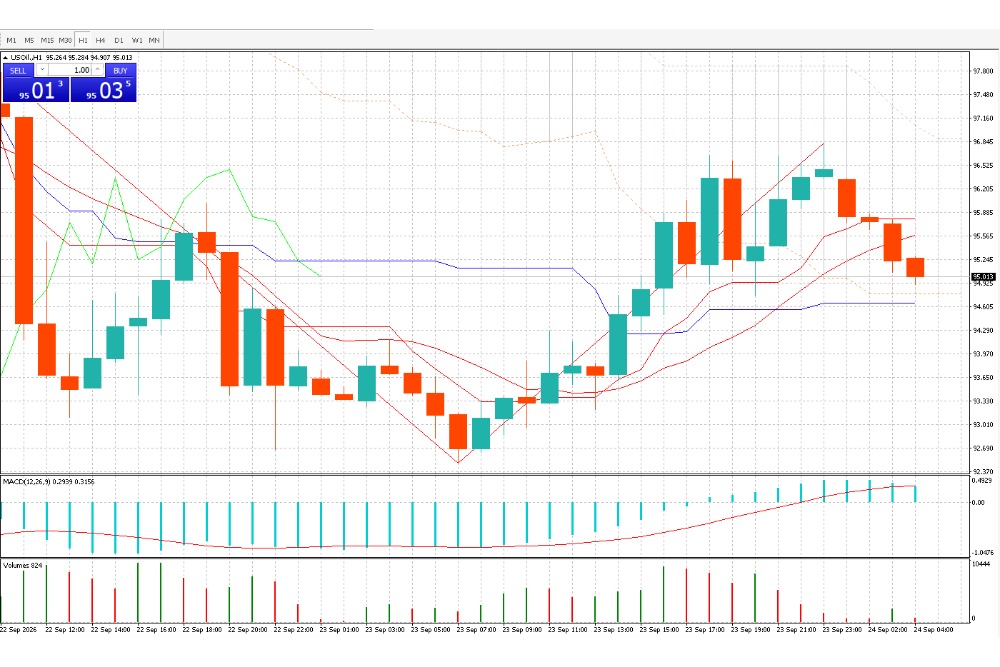
Brent crude posted its largest drop in more than three months on Monday, falling 1% to around $87.60 per barrel. The pullback came after the U.S. suspended daily airstrikes on Iran and U.S. President Trump stated that a nuclear deal with Iran is “very likely” to be reached, easing market concerns over tight energy supply.
Easing inflation expectations bolstered the U.S. bond market, with Treasury prices advancing for a second straight day. The benchmark 10-year U.S. Treasury yield fell 2 basis points to 4.63%.
IV. Markets Await Key Central Bank Decisions and Earnings Releases
Investors are facing a dense lineup of risk events, including monetary policy announcements from the Federal Reserve, the Bank of Japan and the Bank of England, as well as earnings reports from major tech corporations.
More than 170 S&P 500 companies are scheduled to release earnings later this week, including tech heavyweights Microsoft, Meta Platforms, Apple and Amazon. Asian leaders SK Hynix and Samsung Electronics are also set to publish their financial results, with investors eager to verify the profitability of massive AI-related capital outlays.
The Federal Reserve’s policy statement on Wednesday stands out as the week’s most critical event. Markets currently price in a roughly one-third probability of a rate hike.
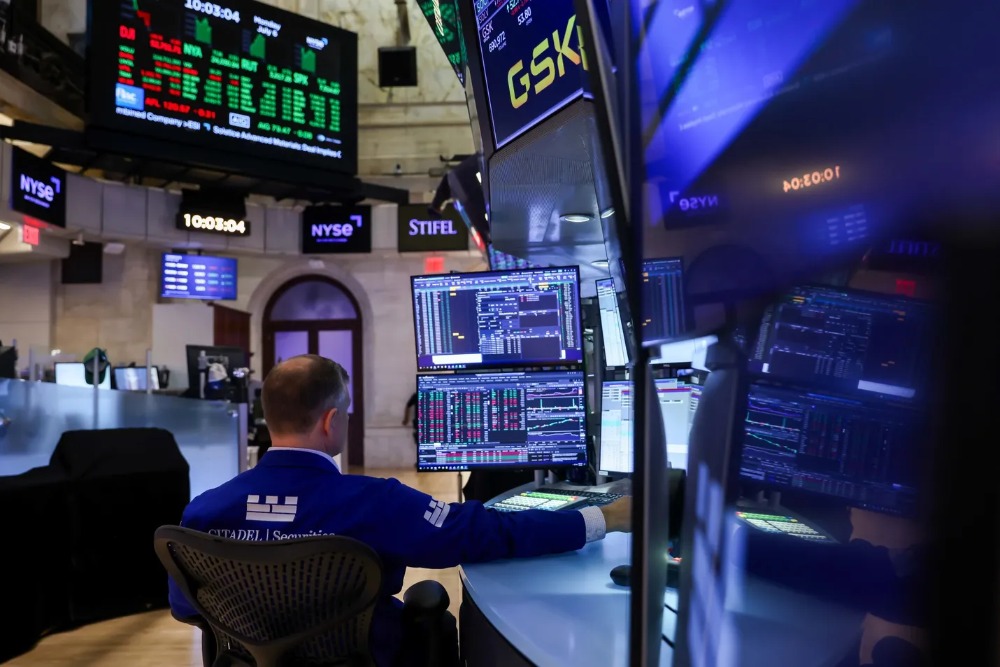
Citadel Securities has made an unexpected forecast that the Fed will raise interest rates this week. Frank Fliet, the firm’s head of macro strategy, noted in a report that a 25-basis-point hike would reinforce Federal Reserve Chair Kevin Walsh’s commitment to restoring price stability and signal policymakers’ shift away from long-forward policy guidance practices.
[Disclaimer] Forex trading involves risk; please invest with caution. This content is for informational purposes and objective analysis only, and does not constitute any investment advice, basis for buying/selling, or guarantee of returns. Investors should make independent decisions based on their own financial situation and risk tolerance, and bear their own investment risks.
Related Posts

23/09/2026
23/09/2026