

08/07/2026

Renewed geopolitical tensions in the Middle East have stoked fears of global energy supply disruptions, pushing oil prices higher and driving bond prices down across most of Asia. The turmoil has further complicated the outlook for inflation and global interest rates.
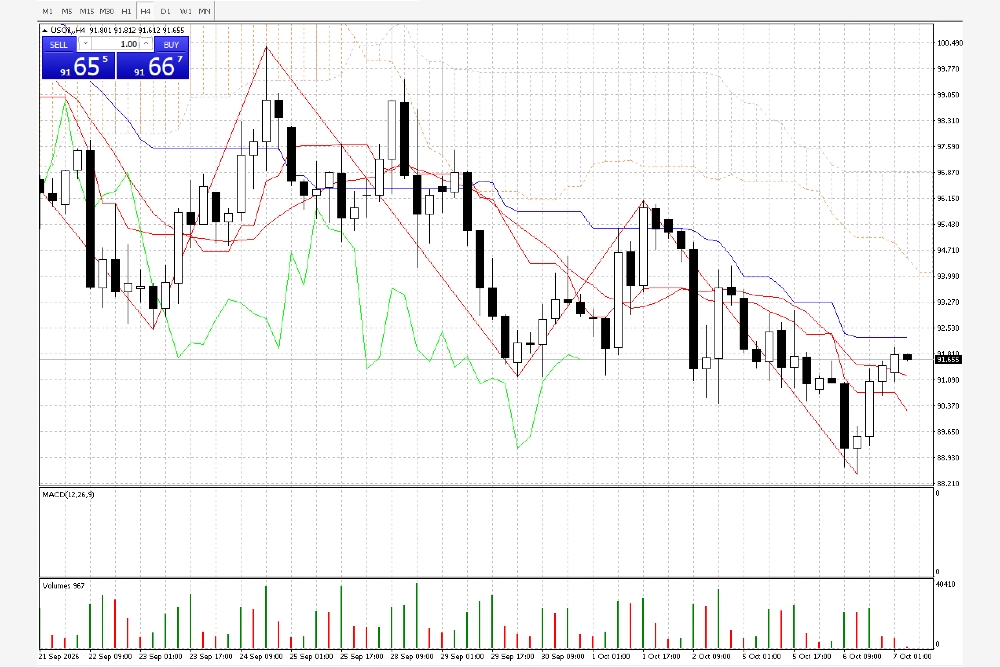
Brent crude rose more than 2% to break above $76 per barrel, after the United States launched a new round of airstrikes on Iran and revoked existing sanctions waivers that allowed Iran to export oil globally. Market jitters had already been building, as Iran previously targeted multiple vessels in the Strait of Hormuz, severely undermining confidence in global shipping and energy markets.
Bond markets saw notable moves across Asia, with long-term yields climbing in the region. Ten-year government bond yields advanced in Australia, Japan, South Korea and New Zealand. The Reserve Bank of New Zealand raised interest rates as expected, adding upward pressure on local bond yields. In contrast, U.S. Treasury prices remained steady with limited volatility.
Global equities posted a muted and mixed reaction. The MSCI Asia Index edged down 0.2%, while U.S. index futures held firm. S&P 500 futures were flat and Nasdaq 100 futures ticked up 0.2%. In the prior session, U.S. benchmark indices faced downward pressure: the U.S. semiconductor sector tumbled more than 4%, dragging the Nasdaq 100 down 1.8% on Tuesday.
U.S. Central Command confirmed via platform X that it had completed a series of offensive strikes targeting over 80 sites in Iran.
The latest escalation risks further disrupting global energy supply chains and unraveling the interim U.S.-Iran peace agreement reached last month. A string of recent tanker attacks has left shipping operators struggling to gauge operational risks in the critical Strait of Hormuz waterway. Despite heightened danger, a small number of vessels transited the strait early on Wednesday.
The renewed conflict has upended stabilizing oil market conditions. In late April, Brent crude surged to near $125 per barrel amid military actions by the U.S. and Israel against Iran. Prices had since eased back to pre-conflict levels on signs of recovering supply following the temporary peace deal, before the latest military escalation triggered a fresh rally.
Across other asset classes, the Bloomberg Dollar Spot Index stabilized after a 0.2% gain on Tuesday. Gold prices traded sideways around $4,100 per ounce, while Bitcoin dipped approximately 1% lower.
[Disclaimer] Forex trading involves risk; please invest with caution. This content is for informational purposes and objective analysis only, and does not constitute any investment advice, basis for buying/selling, or guarantee of returns. Investors should make independent decisions based on their own financial situation and risk tolerance, and bear their own investment risks.
Related Posts