
23/06/2026

Global capital markets have entered a phase of corrective adjustment. Asian equities have retreated from record highs, while the previously booming tech sector has seen a notable cooling in momentum. Driven by multiple factors including progress in U.S.-Iran negotiations, commodity price volatility, shifting U.S. and European monetary policy expectations, and political changes in the UK, global equities, bonds, currencies and commodity markets have exhibited divergent and volatile trends.
1. Asian and U.S. Stock Markets Correct; AI-Driven Tech Rally Faces Critical Test
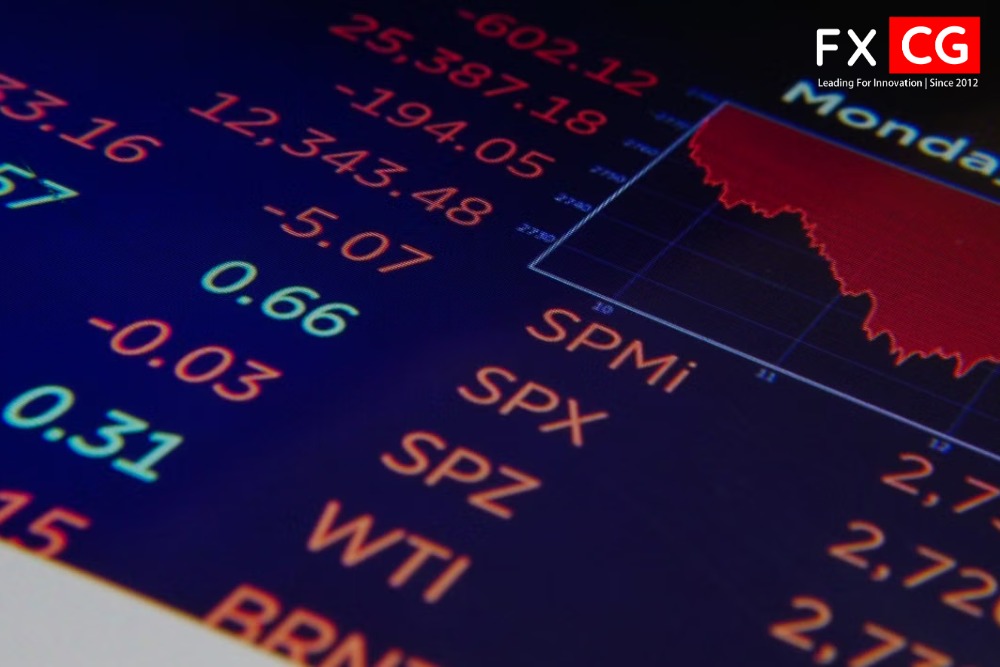
Asian stock markets have ended their strong rally. The MSCI Asia Regional Index pulled back by 1.1% after closing at a historic high on Monday. The tech sub-index retreated for the first time after eight consecutive trading days of gains, marking an end to the sector’s sustained upward momentum.
U.S. equities weakened in tandem. S&P 500 futures edged lower, while the U.S. benchmark index fell 0.4% on Monday, dragged down by slumping large-cap tech stocks and rising bond yields. SpaceX, which completed its Nasdaq listing on June 12, 2026 under the ticker symbol SPCX, faced persistent downward pressure. Its stock price tumbled 16% on Monday, extending losses for the third straight session and erasing hundreds of billions of dollars in market value. The sharp decline came after the company announced plans for an investment-grade bond issuance as part of a large-scale financing round, the latest fundraising activity among AI-fueled tech firms.
Market focus has now shifted to a pivotal test for the sustainability of the AI boom — Micron Technology’s quarterly earnings report due on Wednesday. The memory chip maker’s stock has surged more than 300% year-to-date, and its financial results will serve as a key gauge of enduring AI spending strength and the broader tech rally’s viability.
AI trading has been the core pillar supporting global equity markets this year, enabling major indices to overcome headwinds from Middle East conflicts and repeatedly set new record highs, most recently on June 2. Market performance varies significantly across regions. The S&P 500 has risen 14% this quarter, lagging far behind the MSCI Asia Index’s 26% gain. Benchmark indices in Taiwan, South Korea and Japan’s Nikkei 225 have all climbed by at least 40%.
2. Crude Oil Prices Tumble; Mixed Signals Emerge from U.S.-Iran Talks
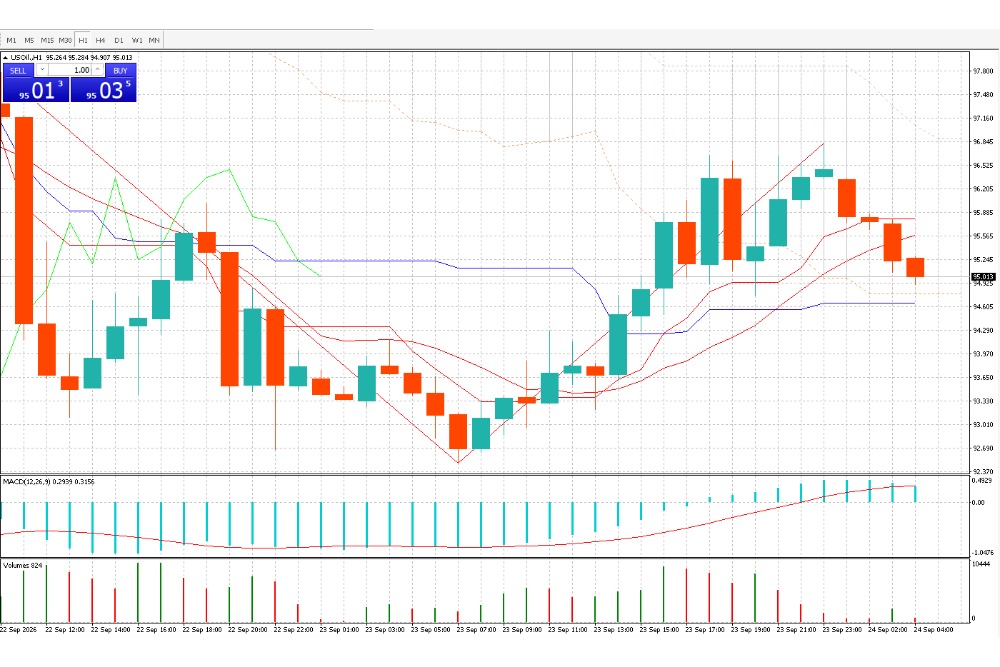
In commodity markets, Brent crude plunged more than 3% on Monday before stabilizing, trading below $78 per barrel. The price drop was primarily driven by easing geopolitical tensions amid positive developments in the latest round of U.S.-Iran peace negotiations.
Both Washington and Tehran confirmed progress in the first round of talks aimed at reaching a long-term peace agreement. The United States has issued a 60-day license authorizing Iran to sell oil on international markets, providing critical economic relief for the country. However, discrepancies remain between the two sides. U.S. Vice President JD Vance claimed Iran has agreed to admit international inspectors, a statement denied by Tehran, casting uncertainty over future negotiations and oil price movements.
3. U.S. Bonds Sold Off; Markets Await Key Economic Data
U.S. Treasury bonds resumed trading after a public holiday on Monday and faced broad selling pressure. Strategists attributed the bond selloff largely to hawkish remarks delivered by Federal Reserve Chair Kevin Walsh last week.
Bond traders are now closely monitoring U.S. personal spending data due this week, which will help validate the market’s recently adopted hawkish monetary policy outlook and influence the trajectory of U.S. bond yields and stock markets.
4. Forex Markets Range-Bound; Yen Hits Multi-Decade Lows
Global currency markets showed muted overall volatility with localized divergence. The Japanese yen lingered near its lowest level since 1986, as investors weighed the long-term prospects of a U.S.-Iran peace deal and the risk of intervention by Japanese authorities.
The U.S. dollar remained steady, with the Bloomberg Dollar Spot Index edging up 0.2% on Monday and little changed for the week.
5. UK Political Reshuffle Eases Market Uncertainty
The UK is set to see a new prime minister, with Andy Burnham poised to become the country’s seventh prime minister in a decade. Prime Minister Keir Starmer has unveiled his resignation timeline, while potential political rivals have voiced support for a smooth handover to Burnham, clearing the path for a seamless leadership transition.
Markets reacted positively to the political development. Though muted in immediate response to Starmer’s upcoming resignation, the elimination of leadership contest risks has removed prolonged political uncertainty, stabilizing market expectations and improving the fundamental outlook for UK assets.
[Disclaimer] Forex trading involves risk; please invest with caution. This content is for informational purposes and objective analysis only, and does not constitute any investment advice, basis for buying/selling, or guarantee of returns. Investors should make independent decisions based on their own financial situation and risk tolerance, and bear their own investment risks.
Related Posts

23/09/2026
23/09/2026