15/06/2026

The United States and Iran have reached a peace agreement to reopen the Strait of Hormuz, substantially easing global market concerns over potential disruptions to energy supplies. The conflict, which broke out in late February, has caused thousands of casualties, disrupted global economic order and triggered severe volatility in financial markets. The newly reached peace deal paves the way for ending the conflict and has driven divergent movements across global asset markets.
1. sweeping movements across global markets
Boosted by the positive news of the US-Iran peace agreement, global risk assets generally rallied while crude oil prices retreated sharply, presenting a clear divergence in market performance.
In equity markets, Asian stocks surged more than 3% in early trading, and S&P 500 index futures rose 1.1%. Notably, global stock markets remained largely resilient amid the geopolitical turmoil throughout the conflict. Driven by sustained market optimism toward the artificial intelligence sector, global equity benchmarks repeatedly hit record highs and notched another peak on June 2, edging up an additional 0.6% on Monday following the deal announcement.
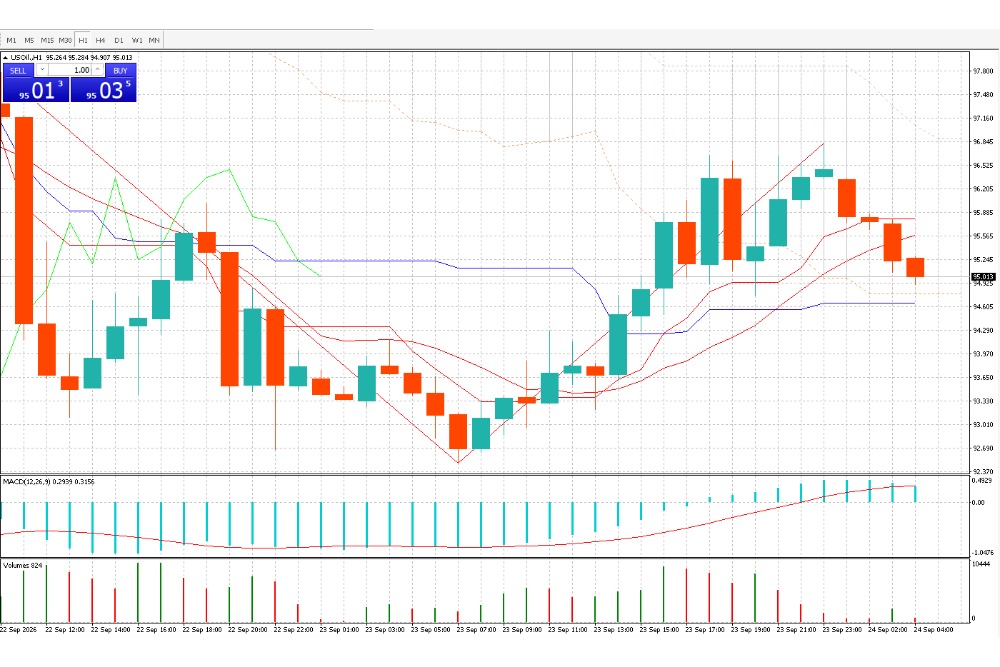
The crude oil market saw a notable correction with rapidly fading geopolitical premiums. Brent crude plunged more than 4%, falling below $84 per barrel to hit a three-month low. The recovery of Middle Eastern oil supplies has completely dispelled market fears of tight energy supply.
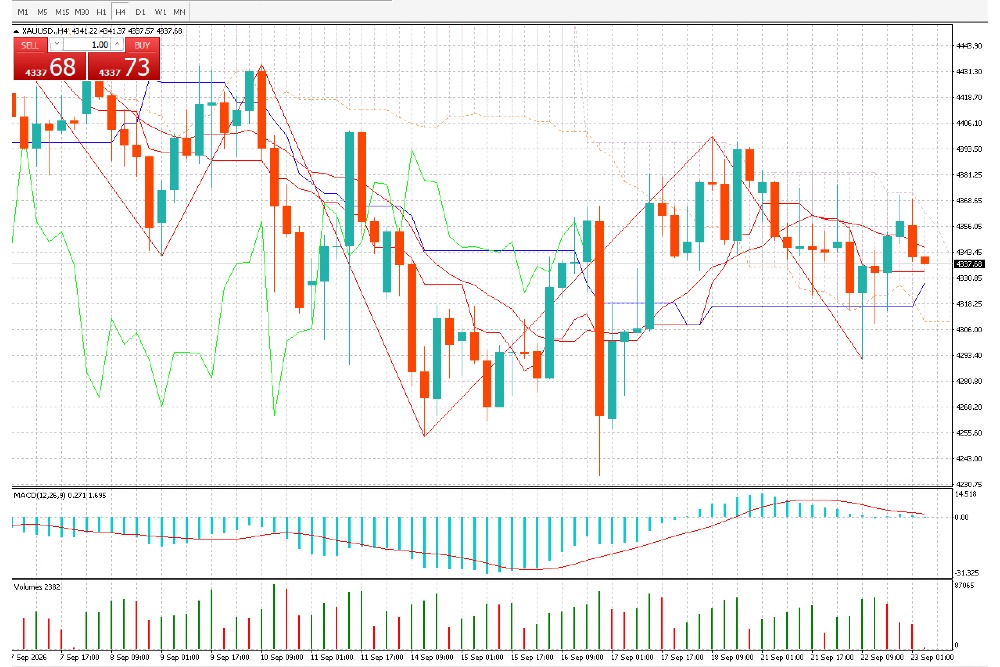
Other commodities and financial assets also saw notable fluctuations, with both safe-haven and risk assets gaining value. Gold rose by approximately 2% and silver by 3%. The US dollar weakened against major currencies, with the Bloomberg Dollar Spot Index down 0.2%. Bitcoin climbed to a nearly two-week high, while treasury bond prices also advanced.
2. profound impacts of the deal on economy and markets
The conclusion of the US-Iran peace deal has effectively eased global inflationary pressures, reshaped market trends previously dominated by geopolitical conflicts, and provided crucial support for global monetary policies.
At the onset of the conflict, heightened expectations of energy supply shortages drove the US dollar stronger and pushed US Treasury yields higher. The US dollar was bolstered by safe-haven demand, America’s status as a net energy exporter, and market expectations that soaring energy costs would force the Federal Reserve to maintain a hawkish stance. However, the dissipation of geopolitical premiums in crude oil following the peace deal has significantly reduced policymakers’ inflation-fighting pressures and lifted market rate-cut expectations. This strongly supports bond markets and provides fundamental tailwinds for equities and commodities.
3. lingering uncertainties surrounding the peace deal
The peace agreement was first announced by Pakistani Prime Minister Shehbaz Sharif, subsequently confirmed by former US President Donald Trump via Truth Social and verified by Iranian state media. Nevertheless, no official text of the agreement has been released by either side, and its specific terms have only circulated via market rumors.
More importantly, divergent interpretations of the deal have emerged shortly after its announcement. While celebrating the agreement, Trump stated in a Sunday interview with The New York Times that he may resume military strikes on Tehran if the two countries fail to reach a consensus on the Iranian nuclear deal. This indicates that outstanding disputes over Iran’s nuclear program remain a potential trigger for future Middle East tensions and market volatility, casting uncertainty over long-term peace in the region.
4. key market risk events in the week ahead
With geopolitical risks easing temporarily, global market focus has shifted to major monetary policy decisions by central banks worldwide, which are set to dominate market movements this week.
The Federal Reserve will hold a critical interest rate vote, marking the first policy decision led by newly appointed Fed Chair Kevin Walsh. The energy price shocks stemming from the Middle East conflict have pushed up inflation and curbed economic growth, leaving investors closely watching the Fed’s policy stance. Markets will likely be reassured if the Fed signals a firm commitment to reining in inflation and maintaining institutional independence.
Besides the Fed, multiple central banks are scheduled to release policy resolutions. In Asia, the Reserve Bank of Australia is widely expected to hold interest rates steady after its two-day policy meeting concluding on Tuesday. The Bank of Japan may raise its policy rate to 1%, the highest level since 1995. Indonesia’s central bank is likely to hike rates again to support its currency, following an off-cycle rate increase last week.
[Disclaimer] Forex trading involves risk; please invest with caution. This content is for informational purposes and objective analysis only, and does not constitute any investment advice, basis for buying/selling, or guarantee of returns. Investors should make independent decisions based on their own financial situation and risk tolerance, and bear their own investment risks.
Related Posts

23/09/2026
23/09/2026