FXCG: US Stock Futures Fall, Crude Oil Prices Rise on Supply Concerns
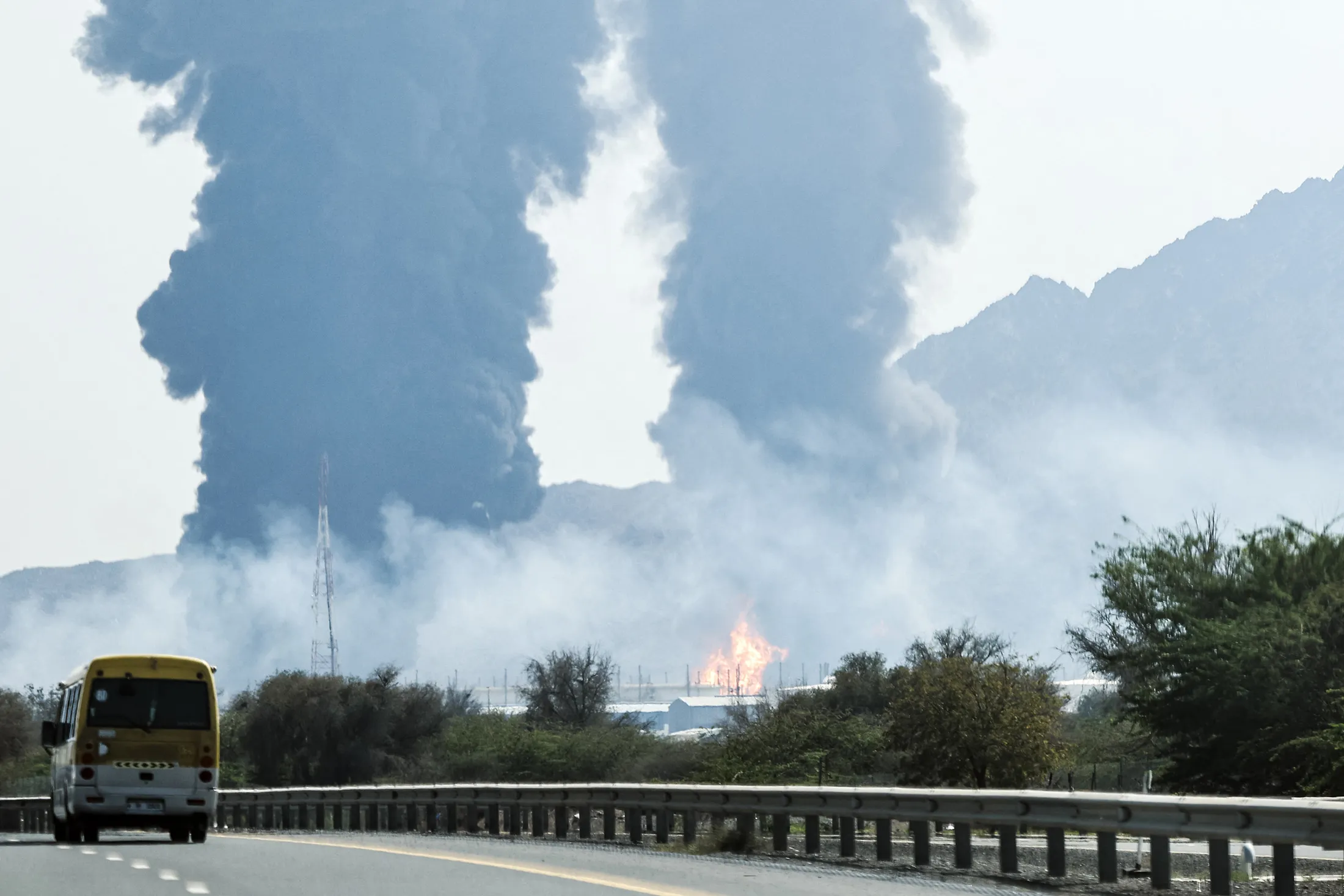
Oil prices rose in early trading on Monday, while US stock futures edged lower after the US attack on Iran’s main export hub exacerbated supply risks across the Middle East.
S&P 500 and Nasdaq 100 futures opened down about 0.2%. West Texas Intermediate crude rose 2% after the US bombing of military targets on Iran’s Kharg Island, the port on which almost all of Iran’s oil exports originate. Futures markets indicated that Australian, Japanese, and Hong Kong stock markets were likely to open lower, and the US dollar weakened slightly against major currencies.
The strike could inject new turmoil into an energy market already experiencing its biggest oil price volatility in decades. Since the outbreak of the war, soaring oil prices have impacted various assets, fueling inflation concerns, pushing up US Treasury yields, boosting the dollar, and putting pressure on global stock markets.
US President Donald Trump said Friday night that US forces attacked military targets on Kharg Island and warned that attacks could escalate to energy infrastructure if Tehran disrupts traffic in the Strait of Hormuz. Traffic in the narrow waterway has been almost completely halted since the start of the conflict. Iran’s Supreme Leader stated that the strait should remain closed if the conflict continues.
Meanwhile, the International Energy Agency said unprecedented oil inventories would immediately become available in Asia as buyers scramble to fill the gaps in Middle Eastern supply disruptions.
On Sunday, White House National Economic Council Chairman Kevin Hassett said the Pentagon estimated the Iranian mission could take four to six weeks to complete, and that the US was ahead of schedule.
This week, inflation risks are likely to be the focus of market attention as eight of the world’s ten largest central banks announce their policy decisions. The Reserve Bank of Australia is expected to raise interest rates for the second consecutive month, while other central banks are likely to keep rates unchanged, awaiting clarity on the duration of the conflict.
Market pressures are building at the fastest pace since the April tariff shock. A Bank of America-compiled implied volatility index covering stock, interest rate, currency, and commodity options surged last week to just below its peak reached 11 months ago when Trump’s aggressive tariffs triggered market turmoil.
Global benchmark Brent crude oil prices have surged 40% since the end of February, prompting global investors to reassess risks as the conflict enters its third week. Global stock markets have fallen more than 5% since the start of the conflict, with Asian stocks experiencing the largest declines. The S&P 500 has fallen for three consecutive weeks and is currently 5% below its record high reached in January.
In the fixed-income market, U.S. Treasuries have given back their year-to-date gains. The benchmark 10-year Treasury yield rose more than 30 basis points in March, closing at 4.28% on Friday. The two-year Treasury yield is near its highest level since September of last year, as oil-related inflation risks have rapidly reduced market expectations for a Federal Reserve rate cut. The dollar has also hit a three-month high.
In a report to clients, Barclays’ team of strategists (led by Themistoklis Fiotakis) wrote: “The foreign exchange market is digesting the latest developments in the Middle East through two main channels: a surge in global risk aversion and rising oil and gas prices. Given the shift in market sentiment and the volatility already observed, a stronger dollar may require further gains in risk aversion and oil prices to support it.”
[Disclaimer] Foreign exchange trading involves risk; invest with caution. This content is for informational purposes and objective analysis only and does not constitute any investment advice, buy/sell recommendation, or profit guarantee. Investors should make independent decisions based on their own financial situation and risk tolerance, and bear their own investment risks.